
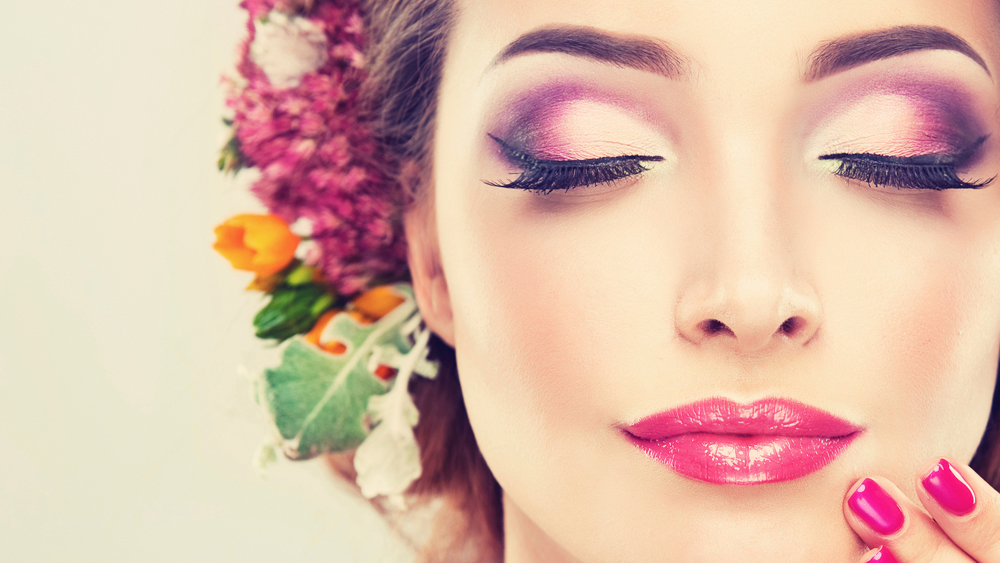

Understanding the Concept of Beauty
Beauty has always been one of the most debated and celebrated concepts in human history. Across cultures, philosophies, and centuries, people have tried to define what makes something or someone beautiful. At its core, beauty goes beyond physical appearance; it reflects harmony, balance, and emotional resonance. The human attraction to beauty can be traced to evolutionary psychology, where symmetry, proportion, and vibrancy often signal health and vitality.
The Science Behind Beauty
While beauty often feels subjective, science has long tried to measure it objectively. Research shows that facial symmetry is one of the strongest indicators of perceived attractiveness. The reason is simple: symmetry suggests genetic stability and the absence of developmental anomalies. Similarly, skin health, hair texture, and body proportions contribute to how beauty is perceived, as they can reflect underlying health.
Another fascinating scientific concept is the “golden ratio” (1.618), which artists, architects, and even plastic surgeons often reference. Many naturally occurring shapes in nature, from seashells to galaxies, align with this ratio, and human faces that approximate it are often judged as more attractive.
Cultural Interpretations of Beauty
Beauty is never universal; it is shaped by cultural, social, and historical contexts. For example:
- In ancient Egypt, beauty was linked to symmetry and ornamentation, with heavy eye makeup symbolizing both protection and allure.
- The Renaissance era in Europe celebrated fuller figures, as they were associated with wealth and fertility.
- In modern times, beauty ideals have shifted constantly, influenced by media, celebrities, and fashion movements.
What remains consistent, however, is that beauty has always carried both status and influence, shaping how individuals are perceived in society.
Psychological Effects of Beauty
The influence of beauty extends far beyond aesthetics. Psychologists have studied the “halo effect,” where people tend to attribute positive qualities like intelligence, kindness, and competence to those who are physically attractive. This can lead to advantages in job opportunities, social relationships, and even legal judgments.
However, this same influence can create challenges. Many people feel pressure to conform to societal beauty standards, which can impact self-esteem and mental health. Understanding that beauty is multidimensional helps shift the focus toward authenticity and inner confidence.
The Intersection of Beauty and Health
Beauty and health are deeply interconnected. Radiant skin, shiny hair, and vibrant energy are often external signs of internal wellness. For example:
- Nutrition: Diets rich in antioxidants, omega-3 fatty acids, and vitamins directly influence skin elasticity and hair strength.
- Hydration: Drinking enough water plays a significant role in maintaining youthful skin.
- Sleep: Rest rejuvenates the body, leading to clearer skin and brighter eyes.
- Fitness: Exercise improves circulation, tones the body, and contributes to overall attractiveness.
By nurturing health, one naturally enhances beauty, proving that the two cannot be separated.
Beauty as an Industry
The modern beauty industry has grown into a global powerhouse worth billions of dollars. From skincare and cosmetics to aesthetic treatments and wellness services, beauty has become a multi-faceted sector that influences consumer behavior worldwide. Marketing campaigns highlight the emotional connection people have with beauty, promising not only physical enhancement but also confidence, empowerment, and self-expression.
This growth reflects not only vanity but also a desire for self-care and the pursuit of personal satisfaction. Today, beauty products are increasingly aligned with values such as sustainability, inclusivity, and ethical sourcing, reflecting how societal values shape consumer choices.
Natural Beauty vs. Artificial Enhancement
A recurring debate in the beauty world is whether natural beauty should be prioritized over artificial enhancement. On one hand, celebrating natural features encourages authenticity and acceptance. On the other, technology and science have made it possible to enhance appearance in ways that boost confidence and provide people with greater choices.
Some enhancements, such as skincare routines or cosmetic dentistry, are seen as extensions of self-care, while more invasive approaches spark ethical and cultural debates. Ultimately, beauty should be about personal empowerment and the freedom to choose how one wants to express themselves.
Philosophical Perspectives on Beauty
Philosophers from Plato to Kant have wrestled with the meaning of beauty. Plato viewed beauty as a reflection of divine truth, while Kant saw it as a subjective experience shaped by individual perception. In modern philosophy, beauty is often seen as an intersection between the external and internal worlds, where art, nature, and human expression converge.
This timeless dialogue shows that beauty is not simply about looks, but about how people connect to the world around them.
The Role of Beauty in Relationships
Beauty also plays an undeniable role in relationships. Physical attraction often sparks initial interest, but emotional depth, shared values, and trust sustain long-term connections. Interestingly, studies suggest that people often choose partners who align with their own level of attractiveness, a phenomenon called “assortative mating.”
Yet as relationships deepen, inner beauty—qualities like kindness, compassion, and humor—becomes more significant than external appearance. This proves that beauty has multiple layers, some fleeting and some lasting.
Redefining Beauty in the Modern Age
In recent years, there has been a powerful movement to redefine beauty standards. Instead of promoting one narrow ideal, society is increasingly embracing diversity and inclusivity. Representation of different skin tones, body types, ages, and abilities in media and fashion is reshaping perceptions of beauty.
This shift is not only socially impactful but also psychologically empowering. People who once felt marginalized now see themselves reflected and celebrated. This broader understanding of beauty is helping individuals value authenticity over conformity.
The Future of Beauty
The future of beauty lies at the crossroads of technology, ethics, and inclusivity. Innovations in biotechnology, artificial intelligence, and personalized skincare promise tailored beauty experiences. Virtual reality and augmented reality are even reshaping how beauty products are tested and applied.
At the same time, there is a growing demand for eco-friendly, cruelty-free, and ethically produced products, reflecting how modern consumers want beauty to align with their values. This balance between innovation and responsibility is shaping how beauty will be defined for future generations.
FAQs About Beauty
What role does genetics play in beauty?
Genetics influence many physical features like skin type, eye color, and bone structure. However, lifestyle choices, environment, and self-care habits significantly impact how those genetic traits are expressed.
How does culture shape our definition of beauty?
Culture shapes beauty through traditions, media, and societal values. What one culture finds attractive may be different from another, which is why beauty standards vary across the world.
Can inner beauty be more important than outer beauty?
Yes, inner beauty often carries more weight in long-term relationships and social interactions. Qualities like kindness, intelligence, and empathy create lasting impressions beyond physical appearance.
Why do people perceive symmetrical faces as more attractive?
Symmetry is often seen as a sign of genetic health and balance, which may explain why symmetrical features are universally considered appealing.
How does technology influence modern beauty trends?
Technology enables innovations like personalized skincare, digital makeup try-ons, and non-invasive procedures. It also spreads trends quickly through social media, making beauty more globalized.
Is beauty truly in the eye of the beholder?
While certain biological factors influence attraction, beauty is largely subjective. Personal experiences, cultural background, and emotional connections all shape what individuals consider beautiful.

Comments are closed.