
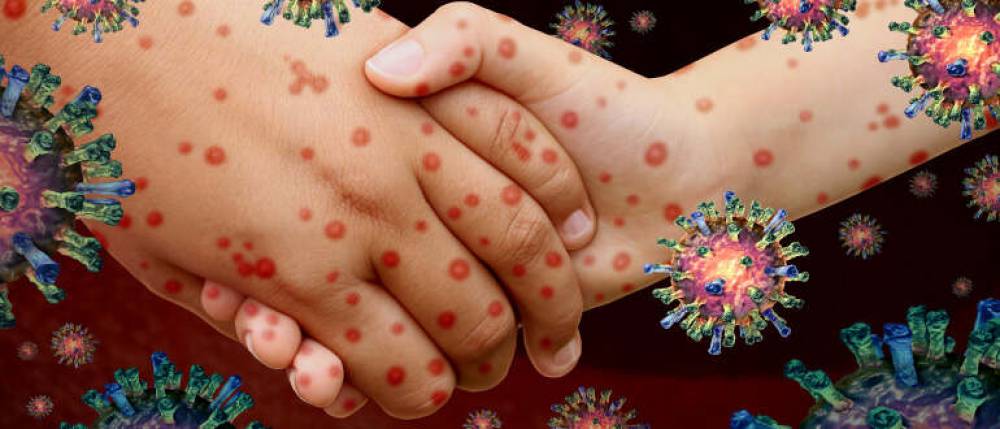

Defining Disease in a Modern Context
Disease is more than just illness or discomfort; it represents a disruption in the normal functioning of the body or mind that impairs overall health. In medical terms, a disease is characterized by a set of symptoms and signs, often linked to identifiable causes such as pathogens, genetic mutations, lifestyle factors, or environmental exposures. Unlike temporary injuries or minor conditions, diseases often follow specific patterns and may require ongoing management, prevention, or treatment.
The Origins and Causes of Disease
Diseases arise from multiple sources, each with unique mechanisms. The main categories include:
- Infectious agents: Bacteria, viruses, fungi, and parasites cause a wide range of illnesses. Examples include tuberculosis, influenza, and malaria.
- Genetic disorders: Inherited or spontaneous mutations in DNA can lead to conditions like cystic fibrosis, sickle cell anemia, or Huntington’s disease.
- Chronic lifestyle diseases: Conditions such as type 2 diabetes, heart disease, and obesity are often linked to diet, lack of exercise, and other lifestyle habits.
- Environmental factors: Pollution, radiation, and exposure to toxins can contribute to diseases ranging from respiratory issues to cancers.
- Autoimmune diseases: Disorders like rheumatoid arthritis and lupus occur when the immune system mistakenly attacks the body’s own tissues.
This multi-layered understanding highlights that disease is not always the result of one cause but often emerges from a complex interplay of biology, environment, and lifestyle.
The Role of Pathogens in Human History
Pathogens have shaped human history for centuries. Epidemics like the Black Death in the 14th century or the influenza pandemic of 1918 altered demographics, economies, and global politics. More recently, outbreaks such as SARS, Ebola, and COVID-19 have demonstrated how diseases can spread rapidly in a connected world. Studying pathogens not only helps us understand their destructive potential but also teaches us how human societies adapt and respond to global health threats.
Chronic Diseases and Their Growing Burden
In the modern world, chronic diseases represent a larger health challenge than infectious ones. Factors like sedentary lifestyles, processed diets, and increased stress contribute to conditions such as:
- Cardiovascular disease: The leading cause of death worldwide, often linked to hypertension, poor diet, and smoking.
- Cancer: A group of diseases marked by uncontrolled cell growth, influenced by genetics, environment, and lifestyle choices.
- Diabetes: Particularly type 2, driven by insulin resistance and rising obesity rates.
- Neurodegenerative diseases: Alzheimer’s, Parkinson’s, and similar conditions, which are increasing due to longer life expectancy.
These chronic conditions often require lifelong management, with an emphasis on prevention, early detection, and holistic care.
The Connection Between Disease and the Immune System
The immune system serves as the body’s defense against disease, yet it can be both protective and problematic. A well-functioning immune system fights infections effectively. However, when it is compromised or overactive, disease may develop. Examples include:
- Immunodeficiency: Conditions like HIV/AIDS weaken immunity, making individuals vulnerable to infections.
- Autoimmunity: Disorders where the immune system mistakenly targets healthy tissues.
- Inflammation: Chronic, low-level inflammation is increasingly linked to diseases such as heart disease, diabetes, and certain cancers.
Research in immunology has expanded rapidly, leading to treatments like vaccines, immunotherapies, and biologic drugs that alter immune responses to control or prevent disease.
Mental Health as a Disease Spectrum
Traditionally, the term “disease” was reserved for physical ailments, but mental health conditions are increasingly recognized as diseases in their own right. Depression, anxiety, bipolar disorder, and schizophrenia disrupt brain function and affect daily life just as much as physical illnesses. Advances in neuroscience, genetics, and psychology have shown that mental health is shaped by both biological and environmental factors, underscoring the need for integrated care.
Global Health Inequalities and Disease
Not all populations experience disease equally. Geography, income, education, and access to healthcare profoundly influence health outcomes. Low-income countries often face higher rates of infectious diseases due to poor sanitation and limited medical infrastructure. In contrast, high-income nations struggle more with lifestyle-related chronic diseases. Addressing these inequalities requires global cooperation, investments in healthcare infrastructure, and attention to social determinants of health.
Disease Prevention: A Public Health Priority
The most effective way to reduce disease burden is prevention. Public health strategies focus on:
- Vaccination programs to control infectious diseases.
- Screening and early detection of cancers, diabetes, and heart disease.
- Health education to encourage healthy eating, exercise, and smoking cessation.
- Sanitation and clean water access to prevent outbreaks.
- Regulations to reduce exposure to harmful substances such as tobacco, alcohol, and pollutants.
These measures, combined with individual responsibility, create a powerful defense against disease at both community and personal levels.
Advances in Disease Treatment and Research
Medical progress has revolutionized disease management. Breakthroughs include:
- Antibiotics and antivirals, which control once-fatal infections.
- Chemotherapy, radiation, and targeted therapies for cancer treatment.
- Gene therapy, offering new hope for genetic diseases.
- Precision medicine, tailoring treatment to an individual’s genetic profile.
- Artificial intelligence in diagnostics, allowing faster and more accurate disease detection.
These innovations are transforming healthcare, making it possible to treat conditions that were once untreatable.
The Economic and Social Costs of Disease
Disease affects more than health; it impacts economies, families, and societies. Lost productivity, medical expenses, and caregiving responsibilities place heavy burdens on households and national economies. Chronic illnesses, in particular, often result in long-term financial strain, emphasizing the need for policies that balance healthcare costs with accessibility and quality of care.
The Future of Disease Control
Looking forward, the landscape of disease will continue to evolve. Climate change may increase the spread of vector-borne illnesses like malaria and dengue. Urbanization and globalization will alter patterns of transmission. At the same time, biotechnology, vaccines, and digital health tools will enhance our ability to detect and manage diseases. The key lies in balancing innovation with equity to ensure that all populations benefit from medical advances.
FAQs About Disease
What is the difference between a disease and a disorder?
A disease usually refers to a condition with defined symptoms and causes, while a disorder often describes functional abnormalities that may not have a clear pathological origin. For example, depression is commonly classified as a mental disorder, while tuberculosis is an infectious disease.
Can lifestyle changes reverse certain diseases?
Yes, lifestyle interventions such as improved diet, regular exercise, and stress management can reverse or significantly improve conditions like type 2 diabetes, hypertension, and cardiovascular disease.
How do pandemics differ from epidemics?
An epidemic refers to a sudden increase in cases of a disease within a region, while a pandemic is a global outbreak affecting multiple countries and continents.
Why do some diseases have no cure?
Many diseases lack cures due to their complexity, genetic basis, or unknown mechanisms. Conditions like Alzheimer’s, multiple sclerosis, and certain cancers still require ongoing research for effective cures.
How does climate change influence disease spread?
Rising temperatures and shifting ecosystems allow vectors such as mosquitoes to expand into new regions, increasing the risk of diseases like malaria, Zika, and dengue in previously unaffected areas.
Is mental illness really a disease?
Yes, mental illnesses are recognized as diseases because they involve disruptions in brain function and significantly impact daily life, just like physical illnesses. They require medical and psychological interventions for effective management.

Comments are closed.