
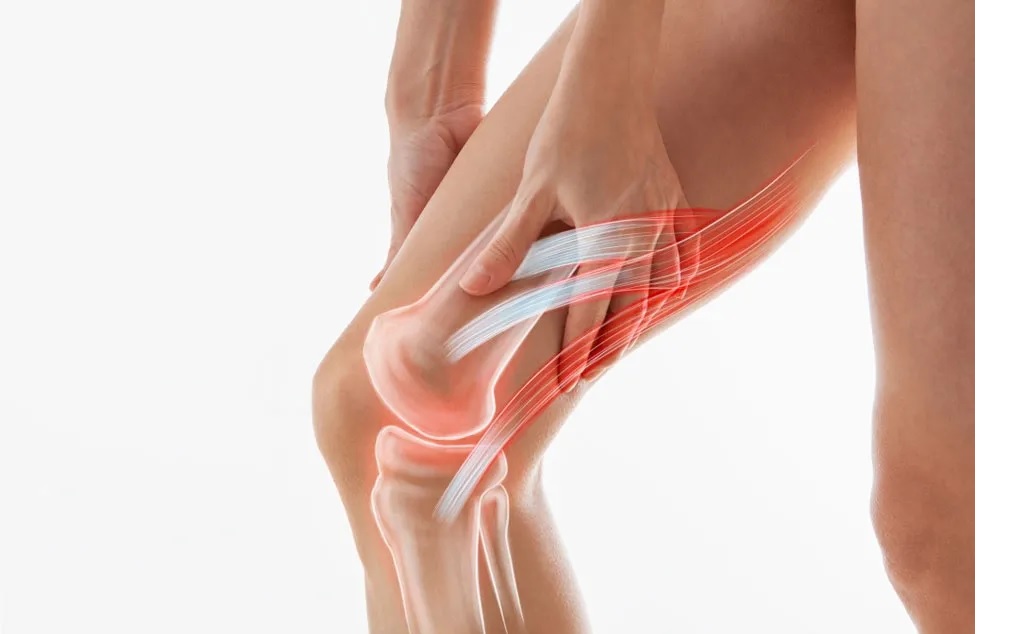


Bone dislocations are a common but serious medical condition that can occur due to various reasons, including trauma, sports injuries, or even simple falls. Understanding what a bone dislocation is, how it occurs, and the appropriate treatment options is crucial for both preventing and managing this condition effectively.
What is a Bone Dislocation?
A bone dislocation occurs when the ends of your bones are forced from their normal positions. This injury often involves the joints, where two bones meet, and can cause severe pain, swelling, and immobility of the affected area. Dislocations are most commonly seen in shoulders, elbows, knees, fingers, and hips, but they can happen in any joint in the body.
Causes of Bone Dislocations
Bone dislocations can happen to anyone, but certain factors increase the risk. The most common causes include:
- Trauma or Injury: A sudden impact or force, such as from a fall, car accident, or sports injury, can cause a bone to dislocate. Contact sports like football, rugby, and basketball carry higher risks for such injuries.
- Overuse or Repetitive Strain: Repeated stress on a joint, particularly in sports or activities that require constant use of a particular joint, can weaken the ligaments and lead to dislocation.
- Congenital Conditions: Some people are born with joint abnormalities that make them more susceptible to dislocations. For example, congenital hip dislocation is a condition present at birth where the hip joint is more likely to dislocate.
- Connective Tissue Disorders: Conditions like Ehlers-Danlos syndrome or Marfan syndrome, which affect the connective tissues of the body, can also increase the likelihood of dislocations.
- Age and Degenerative Diseases: Older adults are at a higher risk due to weakening bones and joints, as well as conditions like osteoporosis and arthritis.
Symptoms of Bone Dislocations
Identifying a dislocation is crucial for prompt treatment. The most common symptoms include:
- Severe Pain: This is often immediate and can be intense, especially when trying to move the affected joint.
- Swelling and Bruising: The area around the dislocation may swell and develop bruises due to blood vessel damage.
- Deformity: The joint may appear visibly out of place, with an unusual bulge or lump.
- Immobility: The affected joint may become immobile, and you might be unable to move it at all.
- Numbness or Tingling: Nerves around the joint can be compressed or damaged, leading to a loss of sensation or tingling in the affected area.
Types of Bone Dislocations
Bone dislocations can be classified based on the joint affected:
- Shoulder Dislocation: The shoulder joint is the most commonly dislocated joint in the body. This is due to its wide range of motion and the relatively shallow socket, which makes it less stable.
- Elbow Dislocation: Often seen in children, elbow dislocations can result from falls on an outstretched hand. This type of dislocation can also be associated with fractures.
- Hip Dislocation: This is a severe injury that often occurs in high-impact trauma, such as car accidents. Hip dislocations can be complicated by fractures and require immediate medical attention.
- Knee Dislocation: Although rare, knee dislocations are serious injuries that usually occur in high-impact sports or accidents. They are often accompanied by damage to ligaments, arteries, and nerves.
- Finger and Toe Dislocations: These dislocations are common in sports and can occur when fingers or toes are jammed or bent backward.
Diagnosis of Bone Dislocations
Proper diagnosis is essential for effective treatment. The process typically involves:
- Physical Examination: A doctor will examine the affected joint for signs of swelling, deformity, and immobility.
- Imaging Tests: X-rays are commonly used to confirm a dislocation and check for associated fractures. In some cases, an MRI or CT scan may be necessary to assess damage to surrounding tissues, such as ligaments, tendons, and muscles.
Treatment Options for Bone Dislocations
Treating a bone dislocation promptly is crucial to prevent further complications. The treatment approach depends on the severity and location of the dislocation:
- Reduction: This is the process of realigning the dislocated bone back into its proper position. It can be done manually (closed reduction) by a healthcare provider or surgically (open reduction) if the dislocation is severe or complicated by fractures.
- Immobilization: After reduction, the joint may need to be immobilized using a splint, cast, or sling to allow the ligaments and surrounding tissues to heal properly.
- Medications: Pain relievers and anti-inflammatory medications are often prescribed to manage pain and reduce swelling. Muscle relaxants may also be used if muscle spasms are present.
- Surgery: In some cases, surgery may be required to repair damaged ligaments, tendons, or bones. This is especially true for complex dislocations or those that cannot be reduced manually.
- Physical Therapy: Rehabilitation is crucial for regaining strength, flexibility, and function in the affected joint. A physical therapist will guide exercises and movements to help restore normal joint function and prevent future dislocations.
- Follow-Up Care: Regular follow-up visits with an orthopedic specialist are essential to monitor healing and address any complications that may arise.
Complications of Bone Dislocations
While many dislocations can be treated successfully, complications can occur, especially if the injury is severe or treatment is delayed. Potential complications include:
- Nerve and Blood Vessel Damage: Dislocated bones can compress or tear nearby nerves and blood vessels, leading to numbness, weakness, or poor circulation in the affected limb.
- Chronic Joint Instability: Repeated dislocations can weaken the ligaments and lead to chronic instability in the joint, increasing the risk of future dislocations.
- Osteoarthritis: A dislocated joint may develop osteoarthritis over time, particularly if there was significant cartilage damage during the injury.
- Fractures: Sometimes, a dislocation is accompanied by fractures, which can complicate the treatment and recovery process.
- Infection: In cases where surgery is required, there is a risk of infection at the surgical site.
Preventing Bone Dislocations
Prevention is always better than cure, and there are several strategies to reduce the risk of dislocations:
- Strengthening Muscles and Joints: Regular exercise, including strength training and flexibility exercises, can help support and stabilize joints, reducing the risk of dislocation.
- Using Protective Gear: In sports and high-risk activities, wearing appropriate protective gear, such as helmets, knee pads, and wrist guards, can help prevent dislocations.
- Safe Practices in Sports: Learning and practicing safe techniques in sports, such as proper tackling in football or landing techniques in gymnastics, can reduce the risk of dislocations.
- Avoiding High-Risk Activities: For individuals with a history of joint instability or previous dislocations, avoiding high-impact activities that put stress on vulnerable joints is advisable.
- Maintaining a Healthy Weight: Excess weight can put additional strain on joints, particularly in the knees, hips, and ankles. Maintaining a healthy weight can reduce the risk of dislocations and other joint-related issues.
When to See a Doctor
If you suspect a bone dislocation, it’s important to seek medical attention immediately. Delaying treatment can lead to complications and prolonged recovery. Some signs that you should see a doctor include:
- Severe pain and swelling that doesn’t improve with rest or over-the-counter medications.
- Visible deformity or misalignment in the joint.
- Inability to move the affected joint.
- Numbness, tingling, or weakness in the affected limb.
Recovery and Rehabilitation
The recovery process after a bone dislocation can vary depending on the severity of the injury, the joint involved, and the treatment received. Here’s what you can expect:
- Initial Recovery: After the dislocation is reduced and the joint is immobilized, the initial healing phase focuses on reducing pain and inflammation. This phase can last from a few days to several weeks, depending on the injury.
- Rehabilitation: Once the initial recovery is complete, rehabilitation begins. This phase involves physical therapy to restore range of motion, strength, and stability to the joint. The length of this phase can vary but typically lasts several weeks to months.
- Long-Term Recovery: Even after completing physical therapy, it’s important to continue exercises at home to maintain joint strength and flexibility. Some individuals may need ongoing therapy or adjustments in their daily activities to prevent future dislocations.
- Return to Activities: Returning to sports or high-impact activities should be done gradually and under the guidance of a healthcare professional. It’s essential to ensure the joint is fully healed and stable before resuming these activities.
Conclusion
Bone dislocations are serious injuries that require prompt medical attention and appropriate treatment. Understanding the causes, symptoms, and treatment options is crucial for effectively managing this condition and preventing complications. Whether it’s a shoulder, elbow, hip, or any other joint, knowing how to respond to a dislocation can make a significant difference in the outcome.
If you or someone you know experiences a bone dislocation, it’s important to seek care from a qualified orthopedic specialist. For those in Calicut, there are experienced ortho doctors in Calicut who can provide expert care and guide you through the recovery process. Don’t hesitate to reach out to a professional if you suspect a dislocation.

Comments are closed.