
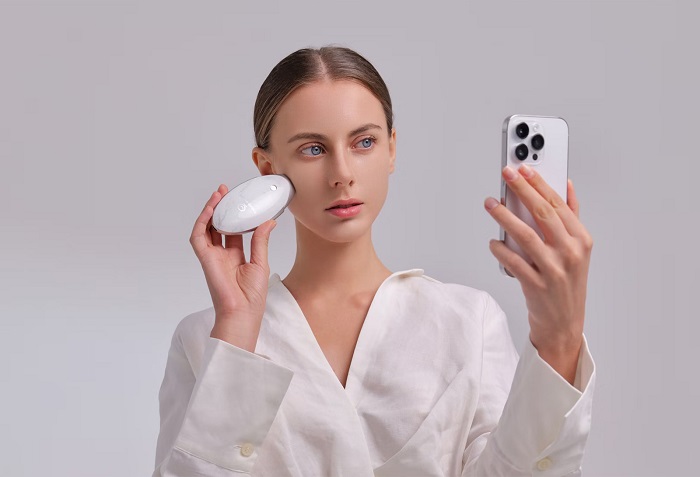

The modern beauty industry is undergoing an unprecedented scientific transformation. For decades, cosmetic marketing relied heavily on exotic plant extracts, luxurious textures, and aspirational branding. While aesthetic appeal and sensory elegance remain important, contemporary consumers now demand quantifiable results backed by rigorous clinical data. Today, cosmetic chemists, dermatological researchers, and biotechnology pioneers are merging fields like molecular biology, material science, and artificial intelligence to engineer products that fundamentally elevate skin and hair physiology.
This evolution from surface-level cosmetics to high-performance formulations marks a permanent shift in how personal care products are developed. Breakthroughs in bio-fermentation, targeted molecular delivery, microbiome regulation, and adaptive color cosmetics are turning routine beauty regimens into highly sophisticated treatments. As these technologies mature, they are setting new benchmarks for product efficacy, ingredient stability, and personalized consumer experiences.
The Rise of Biotechnology and Bio-Identical Actives
Biotechnology has emerged as the premier driver of modern cosmetic innovation. Traditional cosmetic manufacturing historically depended on broad botanical harvesting or synthetic petroleum derivatives. While botanical extracts offer natural benefits, they frequently suffer from batch-to-batch variation, seasonal supply instability, and pesticide contamination. Conversely, petrochemical ingredients often raise sustainability and purity concerns.
Biotechnological manufacturing resolves these vulnerabilities through precision fermentation and cellular agriculture. By utilizing engineered microorganisms such as yeast, microalgae, and bacteria within controlled bioreactors, cosmetic laboratories can produce ultra-pure, bio-identical actives at scale with zero reliance on animal sources.
Key biotech advancements driving product efficacy include:
-
Recombinant Collagens and Elastins: Laboratory-grown structural proteins engineered to match human skin sequences, providing superior biocompatibility and deeper cellular hydration compared to traditional animal-derived proteins.
-
Sustainable Fermented Squalane: High-purity emollient lipids synthesized from sugarcane fermentation, offering consistent barrier repair and lightweight spreadability.
-
Designer Signal Peptides: Lab-cultivated amino acid sequences designed via computer modeling to stimulate natural collagen synthesis and support tissue repair.
-
Extremophile Antioxidants: Bio-compounds derived from organisms thriving in extreme environmental conditions, offering cellular protection against environmental stressors.
These bio-manufactured compounds eliminate impurities and provide predictable biological activity, ensuring that every batch delivers identical clinical results on the skin.
Advanced Delivery Systems and Targeted Encapsulation
The most potent active ingredient is ineffective if it cannot reach its biological target or if it degrades before absorption. Many gold-standard skincare ingredients, including L-ascorbic acid, retinol, and resveratrol, are notoriously unstable when exposed to ambient light, air, and heat. Furthermore, fragile molecules often fail to penetrate the stratum corneum barrier in their active state.
To solve these formulation challenges, cosmetic scientists have adapted pharmaceutical delivery mechanisms to enhance ingredient stability and bioavailability.
Liposomal and Nanocarrier Encapsulation
Liposomes are microscopic spherical vesicles composed of phospholipid bilayers that mirror the cellular membrane. By trapping water-soluble or lipid-soluble actives inside these microscopic carriers, formulators protect fragile ingredients from oxidation and transport them through the lipid matrices of the skin. This targeted approach ensures that active compounds are released at the correct cellular depth rather than sitting inertly on the skin surface.
Smart Time-Release Polymer Matrices
Time-release encapsulation systems gradually disperse active molecules over extended timeframes, maintaining steady therapeutic levels in the skin throughout the day or night. This gradual distribution reduces the irritation, redness, and peeling commonly associated with high concentrations of potent ingredients like retinoids and direct acids.
Biodegradable Marine and Plant Microcapsules
Formulators are transitioning away from synthetic microplastics toward natural biopolymers derived from marine algae, cellulose, and chitosan. These renewable capsules break down naturally upon application through mechanical friction or enzymatic contact, releasing nourishing oils and vitamins without leaving synthetic residues in the environment.
Next-Generation Peptide Engineering and Epigenetic Skincare
Peptide science has advanced beyond simple signaling molecules. The current generation of biomimetic peptides is engineered using computational biology to target specific cellular communication pathways with remarkable precision.
Cosmetic researchers are focusing heavily on epigenetic skincare, which studies how topical formulations can positively influence gene expression related to cellular repair, antioxidant production, and collagen maintenance without altering the underlying DNA code.
Important functional categories of advanced cosmetic peptides include:
-
Neurotransmitter-Modulating Peptides: Specialized peptides that soften the intensity of facial muscle contractions, smoothing dynamic expression lines over prolonged use.
-
Carrier Peptides: Peptide structures engineered to transport essential trace minerals, such as copper, directly to dermal fibroblasts to accelerate wound repair and enzymatic remodeling.
-
Barrier-Strengthening Peptides: Chains that prompt the epidermal layers to synthesize their own structural ceramides and filaggrin, reinforcing the moisture barrier against moisture loss.
-
Autophagy-Stimulating Complexes: Peptides designed to activate cellular recycling pathways, helping skin cells clear damaged cellular components and maintain vitality.
Cutaneous Microbiome Support and Postbiotic Science
Historically, skincare treatments focused heavily on sterilization, employing harsh surfactants, aggressive chemical peels, and broad-spectrum antimicrobial agents that disrupted the delicate cutaneous microbiome. Modern dermatological science views the skin microbiome as an essential biological shield that regulates inflammation, prevents pathogen colonization, and maintains proper skin barrier function.
The industry has shifted toward microbiome-respecting and microbiome-fortifying formulations that sustain beneficial flora while discouraging opportunistic bacteria.
Prebiotic, Probiotic, and Postbiotic Formulations
Skincare formulations now routinely incorporate specialized microbial metabolites:
-
Prebiotics: Plant-derived oligosaccharides and complex sugars that serve as selective nutrients for beneficial skin bacteria, encouraging a balanced microbial ecosystem.
-
Probiotic Fractions: Non-viable bacterial lysates and thermal extracts that deliver beneficial cell-wall fragments to soothe reactive skin without introducing live bacterial cultures.
-
Postbiotics: Metabolic byproducts generated during bacterial fermentation, including short-chain fatty acids, peptides, and lactic acid, which directly support skin barrier integrity and calm hyper-reactivity.
By maintaining the balance of the microbiome, these formulations reduce chronic low-grade inflammation, which is a major contributor to premature collagen breakdown and chronic skin sensitivity.
Artificial Intelligence and Personalized Formulation
Artificial intelligence and machine learning algorithms are accelerating product development timelines and transforming the consumer purchasing journey. Traditionally, formulators required months or years of bench testing to discover synergistic ingredient pairings and evaluate emulsion stability.
Today, predictive AI models simulate millions of molecular interactions within seconds, identifying promising bio-compounds and predicting formulation stability before physical laboratory testing begins.
On the consumer side, computer vision algorithms and smartphone diagnostics scan facial pore density, hydration levels, hyperpigmentation patterns, and sebum production in real time. These diagnostic systems evaluate environmental data, such as local ultraviolet indices, humidity levels, and air pollution, to formulate custom, freshly mixed skincare batches matched to an individual specific physiological needs.
Smart Adaptive Color Cosmetics and Hybrid Formulations
The boundary separating skincare from color cosmetics has effectively disappeared. Contemporary makeup products are no longer passive cosmetic layers designed solely for visual coverage; they are active, multi-functional skincare extensions designed to protect and nourish the skin barrier.
Micro-Encapsulated Color Pigments
Modern foundations, tinted moisturizers, and color correctors employ pigment microencapsulation. These products dispense as neutral white or pale emulsions and release calibrated mineral pigments only when massaged onto the skin, adapting dynamically to the user skin tone and eliminating the chalky appearance common in traditional heavy makeup.
Functional Film-Formers and Multi-Layer Sun Protection
New bio-based polymers create breathable, flexible films over the epidermis that resist sweat, humidity, and mechanical rubbing without clogging pores. Simultaneously, these matrices evenly disperse mineral ultraviolet filters and blue-light blocking pigments, ensuring uniform coverage without leaving a greasy sheen or heavy residue.
The Future of Scientific Beauty
The convergence of biotechnology, advanced delivery systems, microbiome science, and data-driven personalization is redefining the baseline of cosmetic performance. Beauty products are evolving into targeted, evidence-based physiological solutions that provide measurable long-term improvements in skin health. As research across molecular biology and green chemistry continues to advance, the beauty industry will deliver higher efficacy, greater safety, and unmatched sustainability for consumers worldwide.
Frequently Asked Questions
What makes biotechnology ingredients safer and more consistent than traditional plant extracts?
Biotechnology ingredients are cultivated in strictly controlled, sterile bioreactors using precision fermentation. This process eliminates external contaminants such as heavy metals, pesticides, and microbial impurities. Because the growth parameters are precisely regulated, every batch yields the exact same molecular purity and potency, whereas conventional wild-harvested plant extracts can vary significantly in quality due to weather changes, soil health, and harvesting methods.
How does microencapsulation reduce skin irritation from potent active ingredients?
Microencapsulation surrounds concentrated actives within microscopic protective shells that control the rate of release. Instead of delivering the entire dose to the skin all at once, which can trigger inflammatory responses, redness, and peeling, the encapsulation system slowly releases the active ingredient over several hours, ensuring sustained effectiveness while protecting the skin barrier.
Why are live probiotic bacteria rarely used in commercial water-based skincare products?
Live bacterial cultures require specific nutrients and moisture to survive, but standard water-based cosmetics require broad-spectrum preservatives to prevent dangerous mold and microbial contamination. These preservatives would kill live probiotics. Therefore, cosmetic chemists utilize probiotic lysates, ferment filtrates, or postbiotics, which deliver the beneficial bacterial fragments and metabolites without requiring living microorganisms to remain stable on the shelf.
How do modern biomimetic peptides differ from basic amino acid mixtures in cosmetics?
Basic amino acid mixtures act primarily as simple humectants that bind moisture within the stratum corneum. Biomimetic peptides, by contrast, are short chains of amino acids arranged in precise sequences that mimic the cellular communication signals naturally found in human skin. These specific sequences act as biological keys that prompt skin cells to synthesize collagen, repair damaged tissue, or calm inflammatory responses.
Can AI-driven diagnostic tools accurately assess skin health through standard smartphone cameras?
Modern AI diagnostic platforms utilize sophisticated computer vision trained on hundreds of thousands of clinical dermatological images. While they cannot replace medical-grade diagnostic equipment, these algorithms effectively detect subtle variations in surface texture, tonal redness, hydration levels, pore distribution, and surface pigmentation under standardized lighting conditions.
What is the primary difference between penetration and delivery in modern cosmetic science?
Penetration refers strictly to the depth a cosmetic molecule travels into the layers of the skin. Delivery refers to whether that active ingredient reaches its intended biological target in a stable, structurally intact, and chemically functional state. Many active ingredients perform best when maintained at the skin surface rather than forced into deeper layers where they may break down prematurely.
How do clean biopolymer capsules compare to traditional synthetic microcapsules in product stability?
Modern biopolymers derived from marine algae, plant cellulose, and fermented polysaccharides match the stability and barrier performance of older petrochemical capsules. They effectively isolate sensitive active ingredients from light and oxygen during shelf storage while offering superior biodegradability, breaking down harmlessly in natural ecosystems after rinsing.

Comments are closed.