
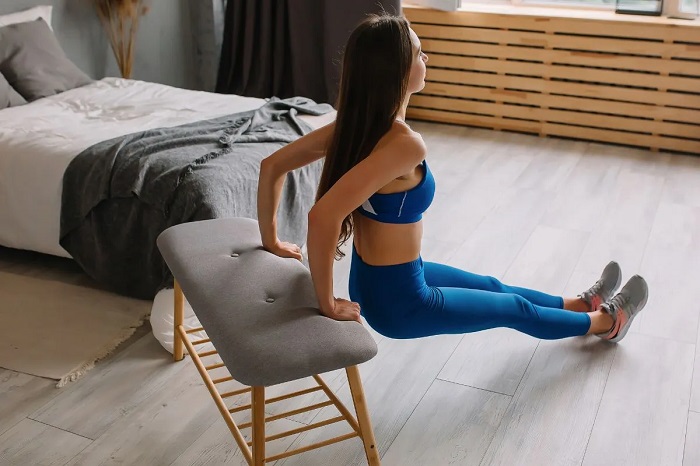

Maintaining physical fitness often feels impossible when juggling professional responsibilities, family obligations, and personal commitments. The traditional fitness paradigm, which insists that individuals must spend sixty to ninety minutes in a commercial gym several days a week, creates a massive psychological barrier for time-constrained adults. When individuals feel they cannot commit to an extensive regimen, they frequently abandon physical activity altogether.
Modern exercise physiology tells a very different story. Health, mobility, and cardiovascular resilience do not require marathon workout sessions. Instead, short, strategically structured movement patterns performed consistently throughout the week produce substantial physiological benefits. By adopting time-efficient exercise strategies, anyone can improve muscular endurance, support metabolic health, and reduce chronic stress without disrupting a demanding daily schedule.
The Science of Exercise Snacks and Micro-Workouts
The concept of accumulating physical activity through brief intervals, often referred to as exercise snacks, has gained widespread validation among sports scientists and medical professionals. Research confirms that breaking up sedentary periods with two to ten minutes of structured physical activity yields cumulative cardiovascular and metabolic improvements comparable to continuous bouts of traditional training.
When muscles contract during brief physical exertion, they immediately increase glucose uptake from the bloodstream, enhance insulin sensitivity, and stimulate cellular circulation. These short bursts also elevate heart rate, prompting the delivery of oxygenated blood to the brain, which enhances cognitive clarity and relieves mental fatigue.
The primary advantage of micro-workouts is adherence. Removing the friction of packing a gym bag, commuting to a facility, and showering afterward allows individuals to integrate movement seamlessly into their existing routines.
High-Yield Bodyweight Movements for Immediate Application
To maximize the return on time invested, busy individuals should prioritize compound bodyweight exercises. Compound movements recruit multiple muscle groups and joints simultaneously, maximizing muscular engagement and caloric expenditure in minimal time. These exercises require zero specialized equipment and can be performed in a home office, living room, or hotel space.
Lower Body Foundations
The lower body contains the largest muscle groups in the human anatomy. Engaging these muscles drives the greatest metabolic demand and functional support for daily movement.
-
Air Squats: Stand with feet shoulder-width apart, keep the chest upright, and lower the hips until the thighs are parallel to the floor. Squats build quadricep, hamstring, and glute strength while promoting hip mobility.
-
Reverse Lunges: Step backward with one leg and lower both knees to ninety-degree angles before returning to the starting position. Reverse lunges place less shear stress on the knees than forward lunges and improve unilateral balance.
-
Glute Bridges: Lie flat on your back with knees bent and feet planted flat on the floor. Drive through the heels to lift the hips toward the ceiling, holding for two seconds at the top to activate the glutes and protect the lower back from desk-bound strain.
Upper Body and Core Strength
A strong upper body and core stabilize posture, prevent neck strain from screen time, and maintain spinal alignment.
-
Incline Push-Ups: For those who cannot perform standard floor push-ups with strict form, placing the hands against a sturdy wall, kitchen counter, or sturdy desk elevates the torso. This variation targets the chest, shoulders, and triceps with manageable resistance.
-
Doorframe Rows: Stand facing an open doorway, grip the door trim with both hands, and lean back slightly with arms straight. Pull your chest toward the doorframe while driving your shoulder blades together to strengthen the upper back and counteract slouching.
-
Plank Holds: Support the body on forearms and toes, maintaining a straight line from heels to head while bracing the abdominal wall. Holding this position for thirty to forty-five seconds engages the deep stabilizing muscles of the spine.
Sample Five-Minute and Ten-Minute Workout Protocols
Structuring short bouts of movement into structured formats prevents aimless exercise and ensures progressive effort.
The Five-Minute Morning Reset
This routine requires only five minutes immediately after waking to elevate core body temperature and prepare the joints for the day ahead.
-
Minute 1: Slow, controlled bodyweight air squats to warm up the knees and hips
-
Minute 2: Incline or standard floor push-ups at a steady, rhythmic pace
-
Minute 3: Reverse lunges alternating legs every repetition
-
Minute 4: Doorframe rows focusing on upper back engagement
-
Minute 5: Steady forearm plank hold focusing on deep nasal breathing
The Ten-Minute Desk Decompression Circuit
Designed to be performed midway through the workday, this circuit breaks up extended sitting, releases tight hip flexors, and restores energy levels without producing excessive perspiration.
-
Perform 10 repetitions of chair squats (tapping the glutes to the chair edge and standing up)
-
Perform 10 wall or desk push-ups
-
Perform 15 standing calf raises
-
Perform 10 seated torso twists with deep rotational breathing
-
Perform 10 glute bridges using a soft mat or carpeted surface
-
Rest for 60 seconds and repeat the circuit for two full rounds
Integrating Incidental Movement Throughout the Workday
Physical fitness is not limited to dedicated workout intervals. Non-exercise activity thermogenesis represents the energy expended during routine daily movements and plays an enormous role in maintaining metabolic health.
Small adjustments to daily habits compound significantly over weeks and months:
-
Pacing During Phone Calls: Stand up and walk around the office or house whenever handling audio calls or listening to recorded webinars.
-
Taking the Stairs Exclusively: Skip elevators and escalators for any journey under four flights to accumulate brief, intense lower-body work.
-
Parking at the Far Perimeter: Deliberately park vehicles at the furthest edge of parking lots to ensure an extra three to five minutes of brisk walking.
-
Active Commuting Intervals: Get off public transit one stop early to walk the remaining distance to your office.
Designing a Sustainable Routine That Lasts
The biggest mistake busy professionals make is attempting an overly ambitious fitness overhaul that collapses under the reality of a demanding workweek. Sustainable success relies on starting small and building positive momentum.
-
Anchor Workouts to Existing Habits: Attach a new two-minute exercise snack to an ingrained daily trigger, such as performing twenty squats immediately after brewing morning coffee.
-
Prioritize Consistency Over Intensity: Completing five minutes of movement every day is vastly superior to doing one sixty-minute workout followed by two weeks of complete inactivity.
-
Track Simple Compliance: Maintain a basic physical calendar and mark a checkmark for every day you complete your planned movement. Watching a visual streak grow provides strong psychological reinforcement.
-
Remove Environmental Friction: Keep a dedicated exercise mat unrolled or resistance bands visible on your desk to eliminate preparation barriers.
Reclaiming Health in Minimal Time
Busy schedules are an unavoidable reality of modern life, but physical stagnation does not have to be the default outcome. By replacing all-or-nothing thinking with targeted micro-workouts, compound bodyweight movements, and intentional incidental activity, you can maintain robust physical health, elevate mental focus, and preserve mobility. Consistency, not duration, is the ultimate driver of lasting fitness.
Frequently Asked Questions
Can short workouts really help with long-term weight management?
Yes. Short, frequent workouts improve insulin sensitivity, regulate blood glucose levels, and increase total daily energy expenditure. While nutrition remains the primary driver of weight loss, consistent micro-exercises prevent metabolic slowdown and preserve lean muscle mass during periods of caloric management.
How many times per day should a busy person perform an exercise snack?
Performing an exercise snack two to four times per day provides optimal physiological benefits. For example, doing a two-minute burst of squats in the morning, a push-up set before lunch, and a quick core plank in the afternoon accumulates meaningful volume without requiring a dedicated workout block.
Do short bodyweight workouts provide enough stimulus for cardiovascular health?
Yes. Moving large muscle groups continuously for even three to five minutes elevates heart and respiration rates, improving vascular flexibility and endurance over time. Increasing the tempo of movements like squats and alternating lunges delivers a potent cardiovascular training stimulus.
What should someone do if they work in a shared, professional office environment?
Focus on discreet, low-sweat mobility and strength exercises. Chair squats, standing calf raises, doorframe stretches, seated spinal twists, and brisk walking during phone calls provide significant physical benefits without attracting attention or requiring specialized attire.
Is it necessary to warm up before performing a five-minute micro-workout?
For low-to-moderate intensity bodyweight exercises, the first thirty seconds of the movement itself serves as the dynamic warm-up. By starting with slower, controlled ranges of motion on initial repetitions, joint fluid warms up naturally, eliminating the need for an elaborate standalone warm-up.
How quickly can a beginner expect to see physical improvements from short daily workouts?
Most individuals notice improved energy levels, better sleep quality, and reduced muscle stiffness within the first seven to ten days of consistent daily movement. Measurable gains in muscular endurance and posture typically become noticeable after three to four weeks of steady adherence.
Are resistance bands a worthwhile investment for a time-strapped individual?
Resistance bands are among the most practical and cost-effective tools for busy people. They take up virtually no space, can be stored in a desk drawer, and provide variable resistance for upper body pulling movements, like rows and lat pull-downs, which are otherwise difficult to perform without specialized gym equipment.

Comments are closed.