

Modern discussions about diet and wellness often focus heavily on macronutrients. People count grams of protein to build lean muscle, adjust carbohydrate intake to manage energy levels, and balance dietary fats for heart health. While macronutrients provide the direct caloric energy required to fuel human movement, they cannot function in isolation. The biological machinery that converts that food into usable cellular energy, builds bone structure, repairs tissues, and fights off environmental pathogens is orchestrated by micronutrients: vitamins and minerals.
Micronutrients are required in relatively small amounts compared to carbohydrates, fats, and proteins, yet their systemic physiological impact is massive. Without adequate daily supplies of these essential organic compounds and inorganic elements, biochemical pathways slow down, enzymatic reactions falter, and metabolic efficiency degrades. Understanding the distinct roles of vitamins and minerals, how they interact, and how to obtain them consistently is fundamental to achieving robust long-term health and vitality.
Distinguishing Between Vitamins and Minerals
Although frequently grouped together under the umbrella term micronutrients, vitamins and minerals are fundamentally different in their chemical nature and origins.
The Nature of Vitamins
Vitamins are organic compounds produced by living organisms, including plants, animals, and microorganisms. Because they are organic, their molecular structures contain carbon and are vulnerable to degradation. Exposure to excessive heat, light, air, and chemical processing can break their chemical bonds and diminish their nutritional value.
Vitamins are categorized into two distinct classes based on how the human digestive tract absorbs and stores them:
-
Water-Soluble Vitamins: This group includes the eight B-complex vitamins (thiamine, riboflavin, niacin, pantothenic acid, pyridoxine, biotin, folate, and cobalamin) and vitamin C. These compounds dissolve easily in water and enter the bloodstream directly during digestion. Because the human body cannot store excess amounts of water-soluble vitamins for extended periods, any surplus is filtered by the kidneys and excreted through urine. Consequently, they require consistent, daily replenishment through a nutrient-dense diet.
-
Fat-Soluble Vitamins: This group comprises vitamins A, D, E, and K. These vitamins require dietary lipids for proper intestinal absorption. Once absorbed, they travel through the lymphatic system and are stored in hepatic tissues and adipose fat reserves. Because the body maintains these internal reservoirs, daily intake does not need to be as rigid as with water-soluble vitamins. However, excessive consumption, particularly through concentrated synthetic supplements, can lead to accumulation and potential toxicity over time.
The Nature of Minerals
Minerals are inorganic elements that originate in the earth, rocks, soil, and water. Plants absorb these elements through root systems, and animals consume those plants, passing minerals up the food chain. Unlike vitamins, minerals are chemically stable and retain their elemental structure regardless of heat, digestion, or storage conditions.
In human nutrition, minerals are divided into two main categories based on physiological demand:
-
Macrominerals: Elements required in amounts of one hundred milligrams or more per day. These include calcium, magnesium, potassium, sodium, phosphorus, chloride, and sulfur. They play primary roles in maintaining fluid balance, skeletal mineralization, and neuromuscular conductivity.
-
Trace Minerals: Elements required in microgram or small milligram amounts daily. Key trace minerals include iron, zinc, selenium, copper, manganese, iodine, chromium, and molybdenum. Despite their tiny quantities, they serve as essential cofactors for thousands of distinct enzymatic reactions and hormonal synthesis pathways.
Fundamental Biological Roles of Essential Micronutrients
Vitamins and minerals work synchronously across every organ system in the body. A deficiency in a single micronutrient can trigger a cascade of systemic dysfunctions.
Cellular Energy Production and Metabolic Support
Macronutrients like glucose and fatty acids contain stored chemical energy, but the human body cannot extract that energy without micronutrient coenzymes. The B-complex vitamins are central to the metabolic cycles that convert food into adenosine triphosphate, the universal cellular energy currency.
-
Thiamine (Vitamin B1) and Riboflavin (Vitamin B2): Form coenzymes critical for carbohydrate metabolism and the mitochondrial citric acid cycle.
-
Niacin (Vitamin B3): Synthesizes nicotinamide adenine dinucleotide, an essential molecule for cellular respiration and DNA repair.
-
Pantothenic Acid (Vitamin B5): Forms a structural component of Coenzyme A, necessary for fatty acid breakdown and synthesis.
-
Magnesium: Acts as a vital biochemical partner to adenosine triphosphate, stabilizing the molecule so enzymes can utilize its stored energy for muscular contraction and cellular replication.
Immune System Fortification
A resilient immune defense depends on continuous cellular proliferation and robust antioxidant protection, both of which require diverse micronutrient inputs.
-
Vitamin C: Stimulates the production and functional activity of white blood cells, including phagocytes and lymphocytes, while protecting immune cells from oxidative damage generated during pathogen elimination.
-
Vitamin D: Functions as a potent immunomodulatory hormone, regulating both innate and adaptive immune responses and enhancing the antimicrobial defenses of respiratory epithelial tissues.
-
Zinc: Crucial for the normal development and maturation of immune cells, including natural killer cells and T-lymphocytes. Even mild zinc deficits compromise cellular immunity and increase vulnerability to opportunistic infections.
-
Vitamin A: Maintains the structural integrity of mucosal barriers throughout the respiratory, gastrointestinal, and genitourinary tracts, preventing bacterial and viral invasion at the physical perimeter.
Skeletal Integrity and Structural Health
Bone is dynamic living tissue undergoing continuous remodeling, a balanced process of resorption and new bone formation. Maintaining skeletal density requires far more than isolated calcium intake.
-
Calcium: Provides the primary mineral matrix, hydroxyapatite, that gives bone tissue its compressive strength and structural rigidity.
-
Vitamin D: Facilitates the active absorption of dietary calcium and phosphorus across the intestinal lining into the bloodstream.
-
Vitamin K (specifically K2): Activates osteocalcin, a specialized protein that binds circulating calcium directly to the bone mineral matrix, simultaneously preventing calcium deposits from accumulating in arterial walls.
-
Phosphorus and Magnesium: Form essential structural components of the bone matrix and regulate parathyroid hormone signaling to maintain systemic mineral balance.
Oxygen Transport and Cardiovascular Health
The cardiovascular system relies on micronutrients to transport respiratory gases, regulate vascular tone, and maintain rhythmic cardiac pacing.
-
Iron: Sits at the core of the hemoglobin molecule in red blood cells, enabling the binding, transport, and delivery of oxygen from the lungs to peripheral tissues throughout the body.
-
Folate (Vitamin B9) and Vitamin B12: Essential for normal erythropoiesis, the biological process that generates healthy, mature red blood cells in bone marrow.
-
Potassium and Sodium: Work via the cellular sodium-potassium pump to generate the electrical action potentials that control cardiac rhythm and regulate systemic blood pressure by balancing vascular fluid volumes.
Micronutrient Synergies and Inhibitions
Nutrient absorption within the digestive tract is an interactive system. Certain vitamins and minerals enhance the bioavailability of others, while competitive interactions can inhibit uptake if dietary sources are unbalanced.
Synergistic Nutrient Pairings
Combining specific nutrients within meals optimizes their absorption and functional application:
-
Non-Heme Iron and Vitamin C: Iron derived from plant sources (non-heme) is poorly absorbed compared to animal-derived heme iron. Consuming plant iron alongside ascorbic acid converts ferric iron to ferrous iron, which is absorbed significantly more efficiently across the intestinal brush border.
-
Fat-Soluble Vitamins and Dietary Lipids: Eating leafy greens or orange vegetables with healthy fats, such as olive oil, avocado, or nuts, increases the absorption of carotenoids, vitamin E, and vitamin K.
-
Vitamin D and Magnesium: Magnesium is required by the hepatic and renal enzymes that convert inactive vitamin D into its biologically active circulating form, calcitriol.
Competitive Inhibitions to Navigate
High concentrations of certain minerals can compete for shared intestinal transport pathways:
-
Excessive Zinc and Copper: High-dose, prolonged zinc supplementation stimulates the production of intestinal metallothionein, a protein that binds copper and prevents its absorption, eventually inducing copper-deficiency anemia.
-
Calcium and Iron Competition: Ingesting very high doses of calcium alongside iron-rich meals can temporarily reduce non-heme iron absorption because both divalent cations utilize shared cellular receptors.
Whole Foods vs Synthetic Supplementation
While synthetic dietary supplements offer convenience, relying entirely on processed pills cannot replicate the complex nutritional architecture of whole foods.
Whole foods deliver micronutrients within a natural matrix containing fiber, water, bioactive enzymes, and thousands of distinct polyphenols, flavonoids, and carotenoids. These secondary phytochemicals act synergistically with vitamins and minerals to enhance cellular uptake and amplify antioxidant protection.
Furthermore, obtaining micronutrients from whole foods carries virtually no risk of toxic overload. The digestive system regulates absorption naturally based on physiological demand. In contrast, synthetic supplements bypass these natural regulatory checkpoints, making it easy to consume supra-physiological doses that can stress renal and hepatic clearance mechanisms.
Strategies for Optimizing Daily Micronutrient Intake
Adopting practical, intentional dietary habits ensures comprehensive coverage across the entire spectrum of essential vitamins and minerals.
-
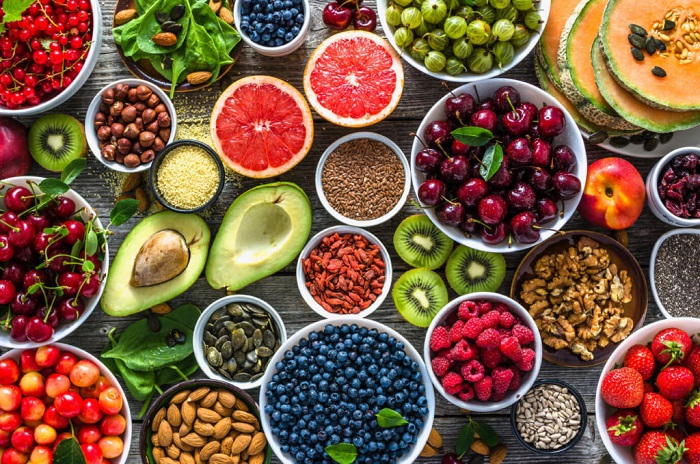
Embrace Dietary Chromatic Diversity: Different colors in fruits, vegetables, and roots indicate the presence of distinct vitamins, minerals, and phytonutrients. Incorporating red, dark green, orange, purple, and yellow produce guarantees broad micronutrient exposure.
-
Prioritize Gentle Cooking Techniques: Because water-soluble vitamins degrade under high heat and leach into boiling water, prefer steaming, light sautéing, or roasting over prolonged boiling.
-
Incorporate Fermented Foods: Yogurt, kefir, sauerkraut, and kimchi provide organic acids and beneficial microbes that enhance digestive efficiency and promote mineral bioavailability in the gut.
-
Choose Minimally Processed Whole Grains: Refining grains strips away the outer bran and germ layers, which contain the vast majority of naturally occurring B vitamins, magnesium, and trace minerals.
The Foundation of Long-Term Vitality
Vitamins and minerals represent the foundational biochemical building blocks of human life. From mitochondrial respiration and genomic repair to immune competence and skeletal durability, every physiological process depends on their uninterrupted presence. By prioritizing a diverse, nutrient-dense diet centered on minimally processed whole foods, individuals provide their bodies with the essential micronutrients needed to support daily performance, prevent chronic metabolic degradation, and sustain lifelong health.
Frequently Asked Questions
What are the main signs that indicate a possible micronutrient deficiency?
Common symptoms of micronutrient inadequacy include persistent fatigue, brittle hair and nails, slow wound healing, frequent viral infections, brain fog, muscle cramping, bleeding gums, and dry skin. Because these symptoms can overlap with various medical conditions, clinical serum testing is necessary for precise diagnosis.
Can water-soluble vitamins ever become toxic if consumed in large quantities?
While water-soluble vitamins are generally safer because excess amounts are excreted in urine, extremely high doses taken over long periods can cause adverse effects. For example, excessive vitamin B6 intake can cause peripheral sensory neuropathy, while massive doses of vitamin C can induce gastrointestinal cramping and diarrhea.
Why do some individuals struggle to absorb vitamin B12 even with an adequate diet?
Vitamin B12 absorption requires adequate gastric acid to detach the vitamin from dietary protein, along with intrinsic factor, a specialized glycoprotein secreted by parietal cells in the stomach. Older adults, individuals with atrophic gastritis, and people using long-term acid-suppressing medications often lack sufficient stomach acid or intrinsic factor, hindering absorption.
How does chronic psychological stress affect the body storage of vitamins and minerals?
Prolonged psychological stress elevates circulating cortisol and adrenaline levels. This state increases metabolic turnover and accelerates the urinary excretion of key micronutrients, particularly magnesium, zinc, and water-soluble B vitamins, depleting internal reserves more rapidly.
Are fortified processed foods as beneficial as whole foods for meeting daily nutrient targets?
While fortified foods can prevent severe clinical deficiencies in broad populations, they lack the complex dietary fiber, bioactive enzymes, and diverse polyphenols found in unrefined whole foods. Synthetic vitamins added back to refined flour or sugary cereals do not offer the same synergistic metabolic benefits as whole dietary sources.
How does soil depletion impact the mineral content of modern agricultural produce?
Intensive agricultural practices and continuous monocropping can deplete topsoil of essential trace elements like magnesium, selenium, and zinc over multiple decades. Consequently, modern crops may contain lower mineral concentrations per unit weight compared to produce grown several decades ago, underscoring the need to consume a wide variety of diverse, high-quality plant foods.
Does taking a multivitamin replace the need for a balanced, nutrient-dense diet?
A multivitamin acts as an insurance policy to fill minor dietary gaps, but it cannot substitute for a balanced whole-food diet. Multivitamins do not provide dietary fiber, essential fatty acids, or the thousands of beneficial phytochemicals that work alongside micronutrients to protect metabolic health.

Comments are closed.