
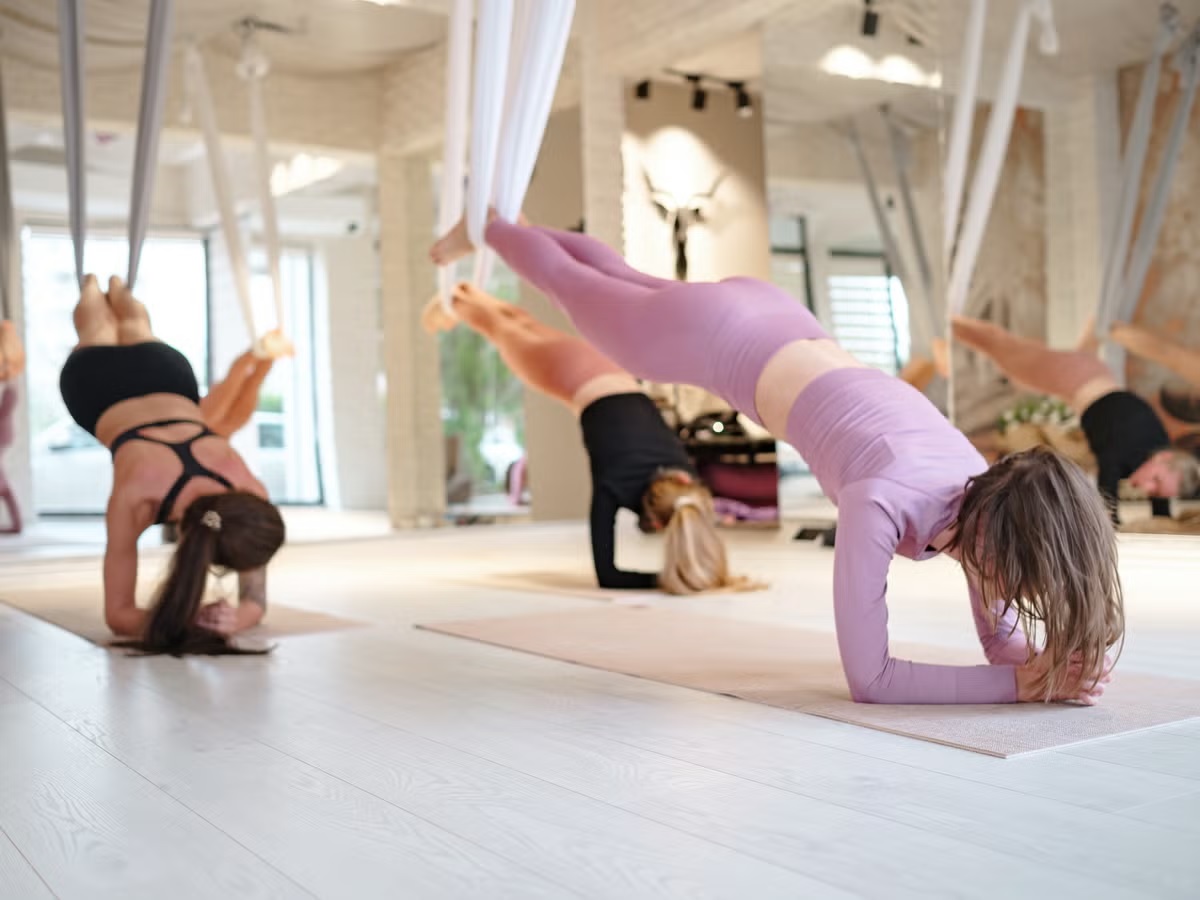

As global consciousness shifts towards sustainability, every industry, including health and wellness, faces pressure to adapt. Fitness enthusiasts today are not just seeking effective workouts—they are also demanding practices that align with eco-friendly values. In this landscape, aerial yoga is emerging as a unique and sustainable fitness option that nurtures both the body and the planet.
Forward-thinking studios such as Yoga Edition in Singapore are embracing this movement, incorporating sustainable practices into the very fabric of their wellness offerings.
The Environmental Impact of Traditional Fitness Activities
Before appreciating how aerial yoga fits into the eco-conscious movement, it is essential to understand the environmental footprint of traditional fitness methods. Many mainstream fitness practices involve heavy resource consumption:
- Electricity usage: Gyms often operate high-energy cardio machines, treadmills, and air-conditioning systems for extended hours.
- Equipment manufacturing: Production of plastic-based dumbbells, foam mats, and resistance bands generates significant industrial waste and pollution.
- Water and chemical consumption: Laundering towels, maintaining swimming pools, and cleaning facilities require large amounts of water and harsh chemicals.
The cumulative effect of these activities contributes to carbon emissions and environmental degradation, pressing the need for greener alternatives.
How Aerial Yoga Offers a Low-Impact Alternative
Unlike machine-based workouts, aerial yoga demands minimal reliance on electricity and artificial machinery. Practitioners utilise a single durable fabric hammock and their body weight to engage in strength, flexibility, and mindfulness exercises.
Key sustainable advantages include:
- Minimal equipment footprint: The primary tool, the aerial hammock, is long-lasting and requires no power source.
- Energy conservation: Aerial yoga studios typically rely on natural ventilation and minimal lighting, drastically cutting down energy consumption.
- Space efficiency: Hammocks can be installed in multi-use spaces, avoiding the need for large dedicated gyms filled with machinery.
Because of its simplicity and adaptability, aerial yoga inherently fosters a smaller environmental footprint compared to many traditional fitness regimes.
Sustainable Materials: Eco-Conscious Choices in Hammock Production
Modern aerial yoga practices are moving towards the use of sustainably produced hammocks. Early aerial yoga hammocks were often made of synthetic nylon; however, growing demand for eco-friendly products has led manufacturers to innovate.
Eco-conscious hammock features include:
- Organic cotton blends: Reduces reliance on petroleum-based fibres and supports sustainable agriculture.
- Recycled polyester: Converts plastic waste into durable, high-strength fabric for hammocks.
- Non-toxic dyes: Natural dyeing processes reduce chemical runoff into waterways during fabric production.
Selecting studios or personal equipment that use environmentally friendly hammocks ensures that aerial yoga practitioners contribute to responsible consumption habits.
Durability and Lifespan: A Key to Sustainable Fitness
One of the often-overlooked aspects of sustainability is product longevity. A well-constructed aerial yoga hammock can last several years with minimal maintenance, far exceeding the lifespan of many traditional gym accessories.
Benefits of durability include:
- Reduced waste: Fewer replacements mean less discarded fitness equipment ending up in landfills.
- Lower manufacturing demands: Durable products reduce the frequency of production cycles, thereby lowering industrial emissions.
- Economic savings: Practitioners save money over time, reinforcing the sustainable philosophy of mindful consumption.
In a world that increasingly values quality over quantity, aerial yoga naturally aligns with principles of sustainability through its emphasis on long-term utility.
Sustainable Studio Practices: Building Eco-Friendly Wellness Spaces
The commitment to sustainability extends beyond the equipment used in aerial yoga. Eco-conscious studios are adopting a variety of green initiatives to minimise their environmental impact:
- Renewable energy use: Solar panels or energy-efficient lighting reduce the carbon footprint of operations.
- Eco-friendly cleaning: Using biodegradable, non-toxic cleaning products maintains hygiene without harming the environment.
- Recycled and upcycled décor: Interior design choices that reuse existing materials prevent unnecessary consumption.
- Community involvement: Hosting eco-awareness workshops and environmental events encourages a broader culture of sustainability.
These integrated practices demonstrate that aerial yoga is more than just a personal wellness activity—it is part of a holistic environmental movement.
The Role of Mindfulness in Sustainable Living
Aerial yoga fosters an intrinsic connection between body, mind, and environment. Through mindful movement and heightened body awareness, practitioners often develop a deeper appreciation for the natural world.
How aerial yoga promotes eco-conscious thinking:
- Mindful consumption: Greater awareness often leads to more responsible lifestyle choices, from reducing waste to supporting sustainable brands.
- Emotional resilience: Mindfulness practices in aerial yoga cultivate patience and compassion, key traits for embracing long-term environmental efforts.
- Nature appreciation: Practising aerial yoga in outdoor settings fosters a direct connection with nature, reinforcing environmental stewardship.
By nurturing internal transformation, aerial yoga indirectly supports broader sustainable behaviour outside the studio.
Aerial Yoga for Urban Eco-Living
Urban environments like Singapore face unique challenges balancing development with sustainability. Aerial yoga offers an ideal fitness solution for city dwellers seeking both personal wellness and environmental responsibility.
Advantages for urban practitioners include:
- Compact practice spaces: Small aerial yoga studios fit seamlessly into densely populated areas.
- Outdoor compatibility: Aerial yoga rigs can be set up in parks and gardens, promoting outdoor fitness without the need for expansive gyms.
- Commuter-friendly: Centralised locations and minimal gear requirements reduce the need for long commutes, lowering transportation-related emissions.
Aerial yoga represents a conscious choice for urbanites striving for a sustainable lifestyle without sacrificing fitness goals.
The Growing Trend of Eco-Conscious Wellness Tourism
Wellness tourism is booming, and sustainability is at the heart of this movement. Eco-conscious travellers seek retreats and experiences that nurture both personal and planetary health. Aerial yoga retreats, often held in nature reserves, eco-resorts, and conservation-friendly spaces, are increasingly popular choices.
Features of sustainable aerial yoga retreats include:
- Off-grid accommodation: Using renewable energy sources and water conservation systems.
- Organic meals: Supporting local, sustainable farming communities.
- Nature-based practices: Integrating aerial yoga with hiking, beach cleanups, and reforestation efforts.
For those looking to blend their passion for travel with responsible living, aerial yoga retreats offer the perfect synergy.
The Future Outlook: Aerial Yoga Leading Eco-Wellness Innovation
As environmental pressures intensify, fitness trends must evolve. Aerial yoga is uniquely positioned to lead this evolution, providing a pathway to fitness that honours both personal health and planetary wellbeing. Its minimalist approach, reliance on sustainable materials, and compatibility with eco-friendly spaces make it a prime candidate for the fitness models of the future.
As more studios and practitioners adopt conscious practices, aerial yoga’s impact will extend beyond individual transformation, contributing to a global shift towards sustainable living.
Embracing practices like those offered by Yoga Edition is not just an investment in personal wellness—it is a meaningful step toward a healthier planet for generations to come.

Comments are closed.